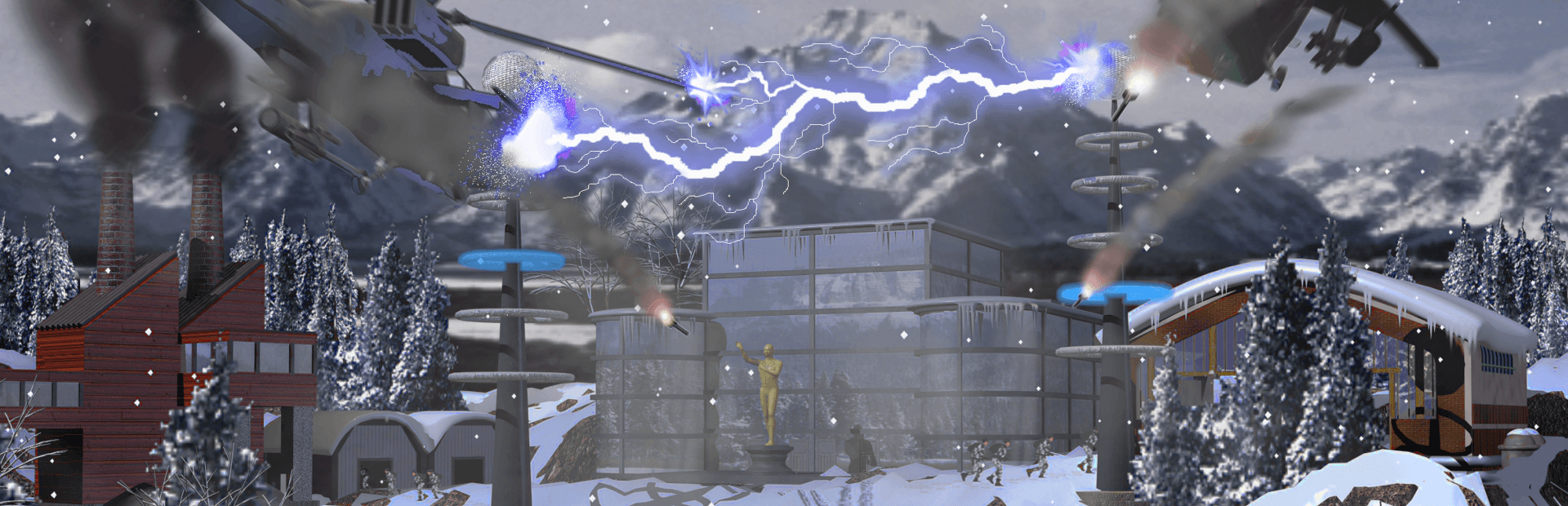

Command & Conquer: Red Alert dropped players into an alternate timeline where Albert Einstein erased Adolf Hitler, triggering a brutal war between the Allied Forces and Joseph Stalin’s expanding Soviet Empire.
Building a faster, noisier sequel for MS-DOS
After finding massive success with real-time battles in 1995, Westwood Studios, Inc. faced the challenge of delivering a follow-up that felt distinct while staying accessible. Producer Edward Alexander Del Castillo worked alongside designers Adam P. Isgreen, Michael Lightner, and Erik Yeo to reshape the engine into a prequel. Programmers Joseph Bostic, Barry Green, and Steve Tall expanded the scope to include naval combat, airstrikes, and distinct faction traits across a 2D isometric landscape.
Sound design played an enormous role in defining the atmosphere. Composer Frank Klepacki dumped the standard fantasy orchestrations of the era in favor of heavy metal guitar riffs and industrial electronic beats. Hearing "Hell March" crunch through a Sound Blaster card alongside the barking voice clips of your riflemen immediately set a aggressive tone that few competing titles in 1996 could match.
Ore fields, Tesla coils, and the Soviet steamroller
The core gameplay loop in this strategy game revolves around economic management and base development. You start most missions with a Mobile Construction Vehicle, deploying it to unlock power plants, ore refineries, and barracks. Money comes from harvesting nearby fields of gold ore and sparkling gems, forcing you to constantly defend vulnerable harvesters as they trundle back and forth across the map.
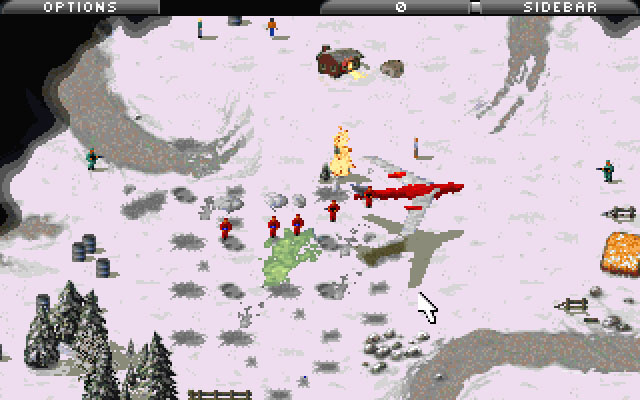
Faction asymmetry changes how you approach every single skirmish. Playing as the Soviets gives you heavy armor and ground control through terrifying Mammoth tanks, V2 rocket launchers, attack submarines, and base-frying Tesla coils. The Allies rely on quick strikes, light tanks, naval superiority, and specialized infantry capable of slipping behind enemy lines. The tension comes from trying to tech up before the enemy locates your power grid and shuts down your defenses.
When pathing turns your Mammoth tank into target practice
For all its strengths, the command interface presents persistent friction. Unit pathfinding in the original Command & Conquer: Red Alert MS-DOS game is famously unreliable, particularly when moving large armored columns through narrow choke points. Tanks often wander single-file into defensive fire or take wildly inefficient detours across the map because a friendly unit was momentarily blocking a bridge.
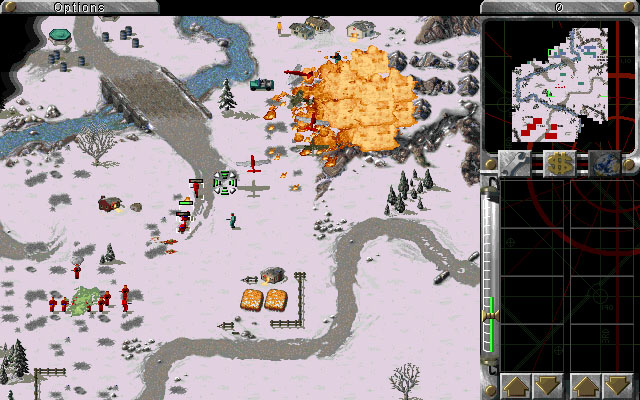
Single-player campaign operations introduce their own sudden spikes in frustration. Indoor infiltration missions strip away base building, forcing you to micromanage handfuls of fragile units where a single wrong movement trigger causes instant defeat. Escort missions are equally notorious, especially when civilian AI pathing decides to walk straight into hazardous fields or take friendly fire from your own defensive turrets.
Giant ants and commercial triumphs
Despite those interface quirks, the game became an explosive commercial hit, selling 1.5 million copies within its first month on store shelves through Virgin Interactive Entertainment, Inc. Westwood padded the release with plenty of secrets that fans traded on early internet forums. Holding down the Shift key and clicking the speaker icon on the main menu opens a hidden campaign titled "It Came From Red Alert!", which pits your forces against giant mutant ants. Doing the same trick on the Westwood logo reveals the full developer credits.
The balance between high-speed tank rushes and strategic superweapons kept the multiplayer scene active for years. While later releases brought the series to home consoles, the keyboard shortcuts and quick mouse selection on PC remained the intended way to direct whole armies.
Why this 1996 strategy benchmark is still worth your time
While the pathfinding bugs and fragile civilian AI remain genuine headaches, the core combat loop works. Setting up a line of Tesla coils and watching enemy light armor melt before it touches your base wall never gets old. If you want to sample nineties real-time strategy, you can play Command & Conquer: Red Alert online right now.
You can run Command & Conquer: Red Alert free in your browser without downloading setup files. Load up the first Soviet mission, crank up Frank Klepacki's heavy metal soundtrack, and deploy a squad of heavy tanks to see why this classic set the standard for real-time strategy skirmishes.