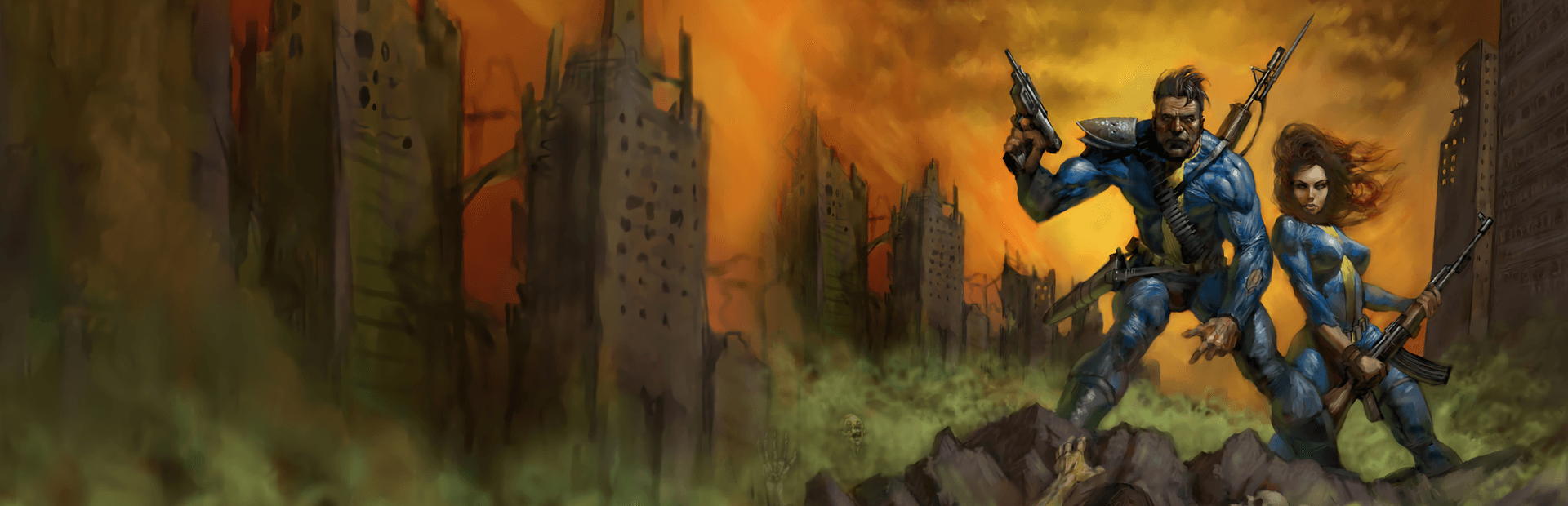
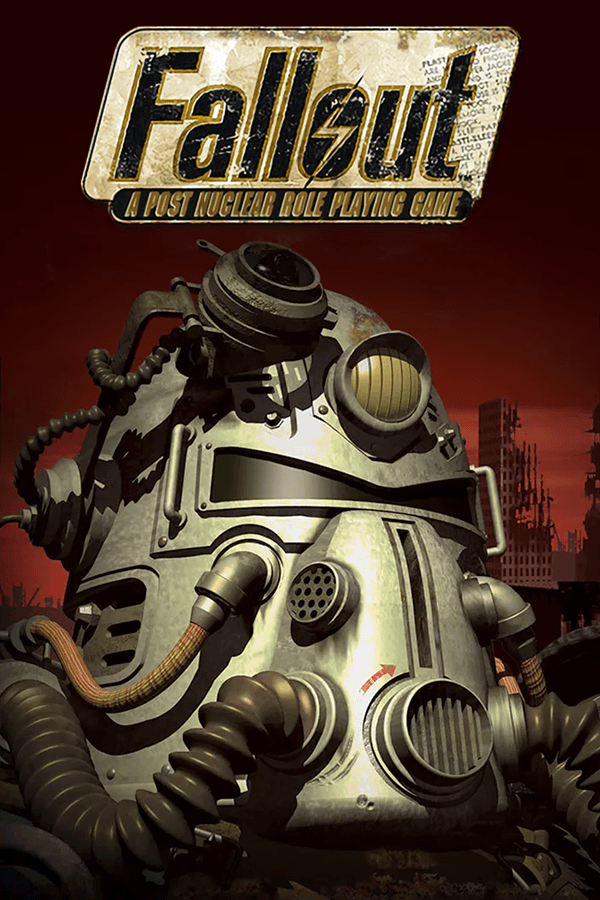
Starting Fallout means leaving the safety of Vault 13 with a single leather jacket, a 10mm pistol, and a ticking 150-day deadline to replace a failed Water Chip before your home dies of thirst.
S.P.E.C.I.A.L. stats dictate every move in Vault 13
Every single playthrough hinges on character creation before you even step across the threshold of Vault 13 into the desert sun. Interplay originally planned to build the game around Steve Jackson Games' GURPS system, but when the game's dark tone and bloody death animations led to a split, lead programmer Tim Cain and lead designer Christopher Taylor forged their own ruleset called S.P.E.C.I.A.L. (Strength, Perception, Endurance, Charisma, Intelligence, Agility, Luck). That system forms the engine under the hood. Dumping your Intelligence down to three turns your character into a near-illiterate brute who can only communicate in grunts, locking out elaborate quest trees and opening up completely different dialogue options from NPC townspeople who treat you with pity or impatience.
In turn-based combat, your Agility score governs your total Action Points, dictating every action you take per turn. Aimed shots let you spend extra Action Points to target eyes, groin, or limbs for critical hits that inflict specific disabilities like blinding or knocking down mutants. If you pack a rocket launcher or a sledgehammer, targeting limbs does more than push damage numbers; it changes how the target retaliates on their turn. Choosing character traits like Gifted or Bloody Mess drastically shifts how encounters play out, making character building the single most important choice you make.
This deep mechanical core makes the early hours brutal for unoptimized characters. Walking out of Vault 13 into the desert sands of Shady Sands or the dim tunnels of Necropolis with low Agility or weak combat skills leaves you vulnerable to swarms of giant rats and radscorpions before you even reach major hubs like Junktown or The Hub.
Tactical turn-based combat with terrible companion decisions
The isometric perspective gives you full strategic oversight of the dirt streets, concrete bunkers, and rusty shacks that make up the ruined California coast, but that overhead view highlights one of the design's most glaring issues: party management. While you can recruit allies like Ian or Tycho to shoot alongside you, you possess no direct control over their actions in combat. Your companions run on basic automated instincts, which frequently leads to catastrophic friendly fire when Ian decides to spray a burst from his submachine gun directly through your back to hit a leather-clad raider standing behind you.
Managing inventory is equally cumbersome, handled through a cluttered pop-up window where you drag individual items back and forth. You will spend minutes juggling stimpacks, shotguns, plasma rifles, and brass knuckles between your limited hands and back pockets, hoping your party members do not encumber themselves into stationary targets during a raid on the Military Base.
Despite the clunky interface, the tactical crunch of the encounters holds up surprisingly well, especially when enhanced by sound cards of the late nineties. Running the game on a Sound Blaster 16 or a Gravis Ultrasound turns weapon discharges into heavy, satisfying thuds, accompanied by the squishy audio feedback of targeted critical hits that split enemies in half across the grid.
When Fallout forces a race against the calendar
Most role-playing games encourage you to wander off and explore every dusty cellar, but the initial 150-day timer for the Water Chip puts absolute pressure on your early route planning. Spending weeks traveling across the world map burns through daylight and water reserves, forcing you to calculate the travel time between the Boneyard and Necropolis carefully rather than mindlessly grinding encounters for experience points.
The pressure does not vanish once you acquire the Water Chip, either. Hidden secondary timers tick in the background, tracking the spread of the Super Mutant army under the direction of the Master. If you take too long idling in town or taking on minor side quests, settlements across the wasteland get overrun before you arrive, locking you into darker, ruined endings for those communities.
This design choice still sparks debate among fans. While it creates genuine urgency and reinforces the bleak, post-apocalyptic narrative, it also punishes players who want to thoroughly explore every quest branch on their initial run. To solve major conflicts, the game rewards cleverness over raw fire power, allowing high-intelligence or silver-tongued players to bypass the final boss encounter entirely through reasoned dialogue, proving that combat is never the only path to victory.
Here are the primary gameplay choices that define how you navigate encounters in the post-nuclear waste:
- Targeted Strikes: Spend additional Action Points to aim at specific body parts to inflict status effects like blindness or crippled legs.
- Non-Violent Resolution: Use high Charisma, Intelligence, and Speech skills to talk main antagonists out of their plans without firing a single bullet.
- Stealth and Infiltration: Slip past sentries, pick electronic locks, and plant explosives quietly in enemy camps using Sneak and Lockpick skills.
- Brute Force Offense: Equip heavy energy weapons, flamers, and power armor to overpower mutates through raw damage output.
Preserving Interplay's post-apocalyptic blueprint
When Interplay Productions released the game among the bumper crop of 1997 releases, it launched alongside major titles while carving out a distinct identity with its retro-futuristic art design directed by Leonard Boyarsky. It went on to sell roughly 600,000 copies worldwide and launched a sequel, Fallout 2, just one year later under Black Isle Studios. For modern players, the strategic freedom, memorable world-building, and sharp writing still hit hard, even if you have to fight past stiff companion AI and an unforgiving save-state mentality where bad combat luck can end a two-hour run in seconds.
Because running old MS-DOS executables today requires precise emulation environments and carefully configured sound drivers, preserving the original binary along with its surrounding materials is vital for history fans. Documenting these early PC releases on Wikipedia and historical archives ensures that the original box copy, manual documentation, metadata, and community contributions survive intact. Studying how Tim Cain's small team built a lasting RPG framework out of an discarded rule system shows how technical constraints and creative pivots shaped the history of computer gaming.