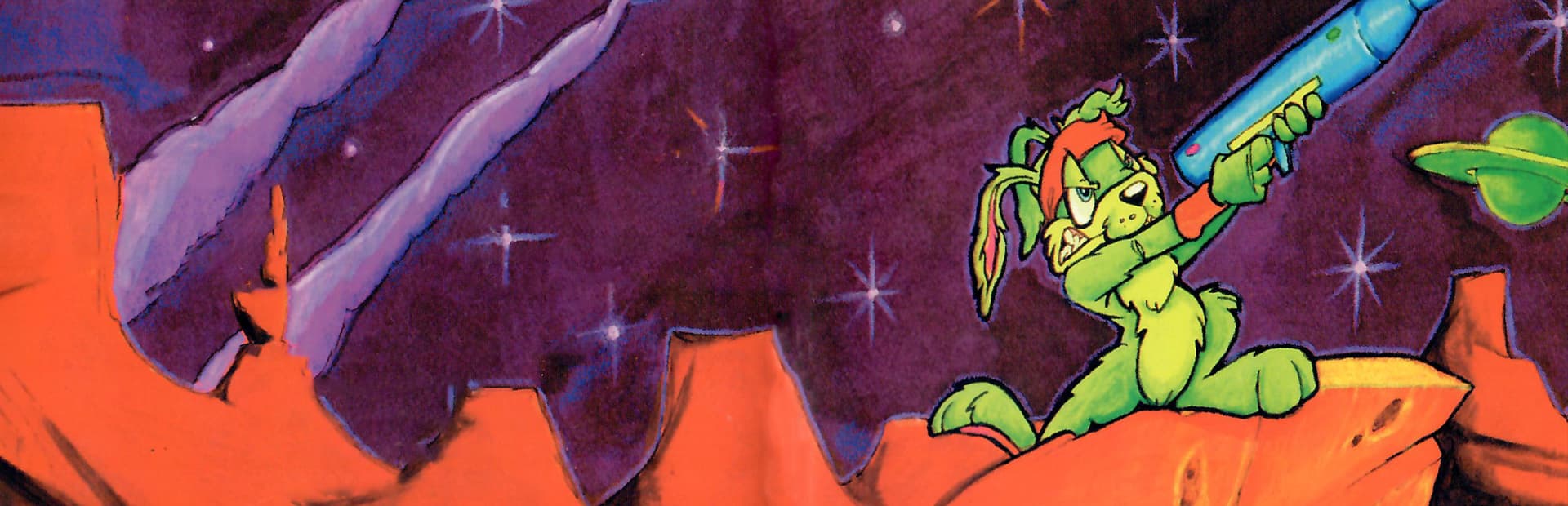
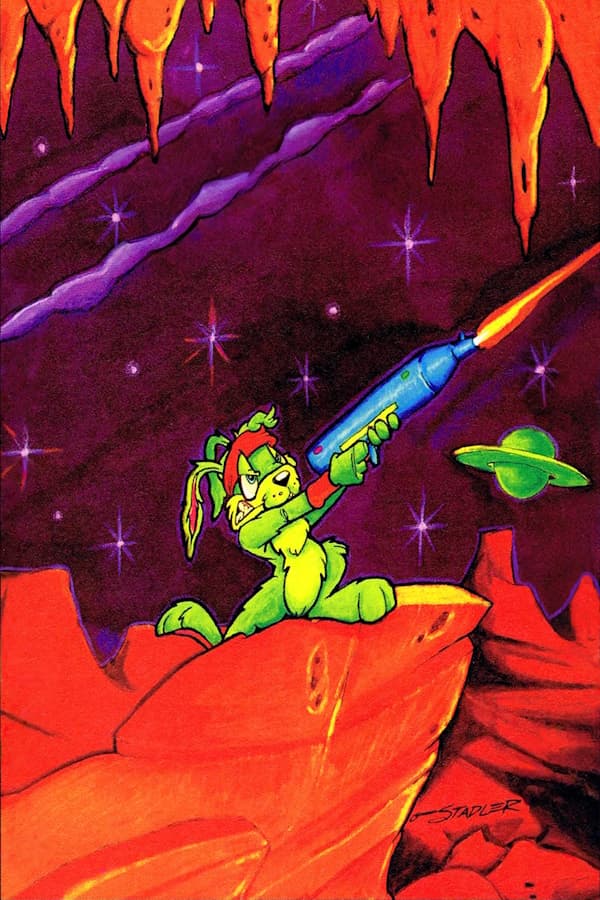

The Jazz Jackrabbit CD-ROM edition expanded Epic MegaGames' premier MS-DOS platformer into a sprawling, nine-chapter epic that pushed early 1990s PC hardware to its absolute limit. It remains a fascinating artifact of an era when PC developers were desperate to prove their machines could match the raw speed of home consoles.
The speed monster of the DOS era
When you sit down with Jazz Jackrabbit, the initial shock comes from the sheer velocity of the movement. Most MS-DOS action games of the early nineties were rigid, tile-bound affairs that favored cautious platforming over twitch reflexes. Here, the rabbit gains momentum as he runs, blurring past vibrant sci-fi backdrops while tossing out special weapons against swarms of turtle enemies.
I expected the high-speed scrolling to feel clunky on a VGA monitor, but programmer Arjan Brussee designed a customized smooth-scrolling routine that kept the frame rate remarkably fluid. That technical achievement allowed the game to challenge console icons on their home turf without feeling like a cheap imitation. However, that speed creates a real mechanical dilemma when you sprint straight into blind hazard traps or off-screen enemies because the viewport cannot zoom out far enough to keep up with your sprint.
How the Jazz Jackrabbit CD-ROM expanded the original campaign
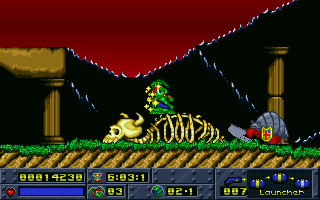
This special CD-ROM edition of Jazz Jackrabbit contains the original six episodes, plus three new ones. These episodes ("Outta Dis World", "Wild Wabbit", and "Turtle Soup") has Jazz exploring planets with such names as Exoticus, Industrius, Deserto, Stonar, and several others. The episode feature new music, new graphics, more enemies, and new bosses.
The extra content significantly improves on the original design by offering more intricate level architecture and wilder enemy encounters. Across these expanded stages, the gameplay balance forces you to constantly swap between weapon types to survive heavy firefights:
- Standard Blaster: Unlimited ammunition with a respectable fire rate, ideal for weak forward targets.
- Toaster: A short-range flamethrower that incinerates stubborn armored foes and breaks obstacles.
- RF Missile: Dual-firing rockets that clear out clusters of airborne enemies across open spaces.
- Bounce Launcher: Heavy grenade projectiles that ricochet around tight corridors to kill hidden traps.
Exploring those extra stages in this action release requires aggressive weapon cycling. If you try to hold down the base blaster through the later levels of "Wild Wabbit", the sheer density of incoming projectiles will deplete your health meter in seconds.
High-speed shooting clashes with restricted viewport limits
Where this classic 1994 release stumbles is in its camera design and hit feedback. Because Jazz moves so quickly, running at full speed routinely hurls you directly into an enemy or a spike pit before you can physically react. The game compensates by giving you a multi-hit health bar rather than instant death, but taking damage often feels like an unfair tax for using your core movement abilities.
The boss fights across the added episodes highlight this friction clearly. Facing a heavy mechanical boss on the planet Industrius demands precise positioning, yet the rapid weapon firing and chaotic boss patterns often collapse into screen-filling crossfire. A single mistimed jump during these encounters can wipe out three health points instantly, making high-difficulty runs feel merciless.
Soundtrack energy and technical art in the Jazz Jackrabbit CD-ROM review
Composer Robert A. Allen supplied an incredible tracker-based soundtrack that gives every planet a distinct, upbeat personality. The punchy digital audio tracks fit the bold art direction crafted by designer Cliff Bleszinski, filling every sector with neon colors, detailed parallax backgrounds, and charming character animations. In any thorough Jazz Jackrabbit CD-ROM review, the presentation deserves equal praise alongside the game's code optimization.
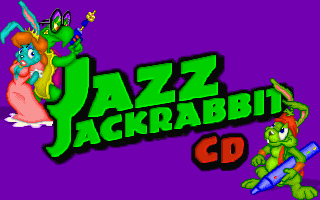
Published by Epic MegaGames, Inc., the project proved that PC shareware creators could deliver commercial polish that rivaled cartridges. By taking full advantage of the CD-ROM format, Epic MegaGames, Inc. packed dozens of vibrant stages, bonus Mode X 3D stages, and CD audio quality into a single unified package. For players diving into Jazz Jackrabbit CD-ROM gameplay, the sheer volume of content made it one of the absolute highlights of PC gaming in the mid-nineties.
Preserving an essential piece of PC gaming history
Today, the Jazz Jackrabbit CD-ROM package stands out as a pivotal moment when PC action games proved they could stand toe-to-toe with console blockbusters. While the twitchy camera and punishment for high-speed running can frustrate modern players, the vibrant visuals, soaring soundtrack, and satisfying arsenal remain deeply engaging. Anyone who appreciates the evolution of nineties platforming should spend an evening running through these classic stages.
Preserving these legacy MS-DOS binaries goes beyond merely keeping old files runnable on modern operating systems. Historical catalogs retain essential box art, release context, precise patch metadata, and community documentation that prevent important software achievements from fading away. Keeping this history intact ensures that future players can experience the exact moment PC gaming found its inner speed.