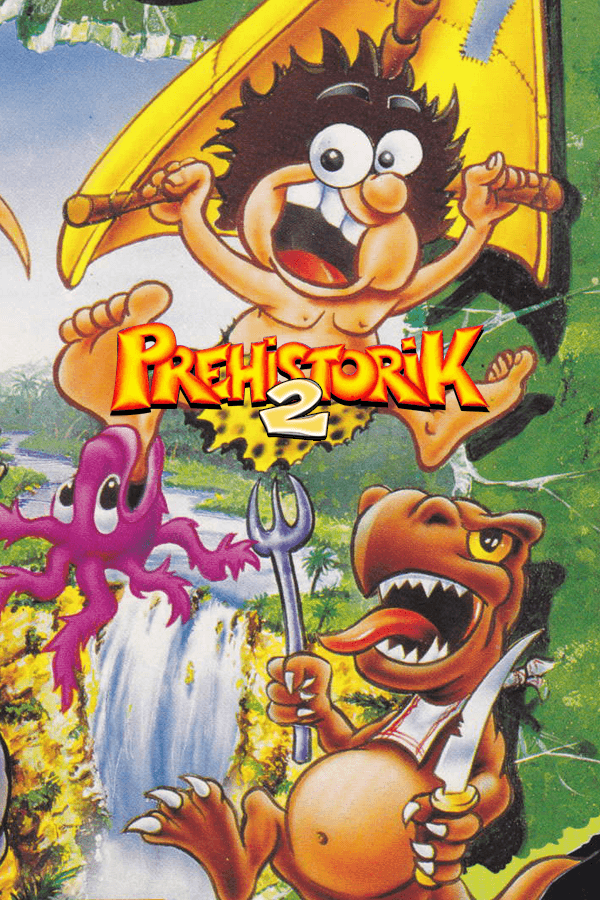

Prehistorik 2 arrived on PC displays as a vibrant counterweight to the grim arcade ports dominating home computers at the time. Developed by Titus Software, this 1993 platformer stripped away its predecessor's strict clan-feeding requirements to deliver pure, chaotic treasure-hunting.
A cartoon platformer that traded survival for chaotic excess
Prehistorik 2 looks like a lighthearted Saturday morning cartoon, but sitting down with it reveals a fast-paced, demanding game. You control a wildly animated caveman armed with a oversized wooden club, jumping across floating ledges and whacking prehistoric wildlife. The original game forced you to meet a rigid food quota before clearing a level, but this sequel drops that obligation entirely. Instead, hitting the level exit merely requires finding a lighter to light a signal fire, freeing you to focus on high scores and exploration.
The core momentum relies on heavy, responsive movement that rewards aggressive play. Whacking a giant spider, bear, or flying bird sends them tumbling off the screen, often leaving behind giant fruit, cakes, or shiny trinkets to grab. I found that the true charm of Prehistorik 2 gameplay comes from how the environment responds to your club. Smack a seemingly blank wall or an empty stretch of grass, and hidden items tumble from the sky like an exploding vending machine.
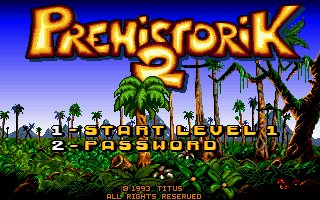
Secrets hidden behind every swinging club in Prehistorik 2
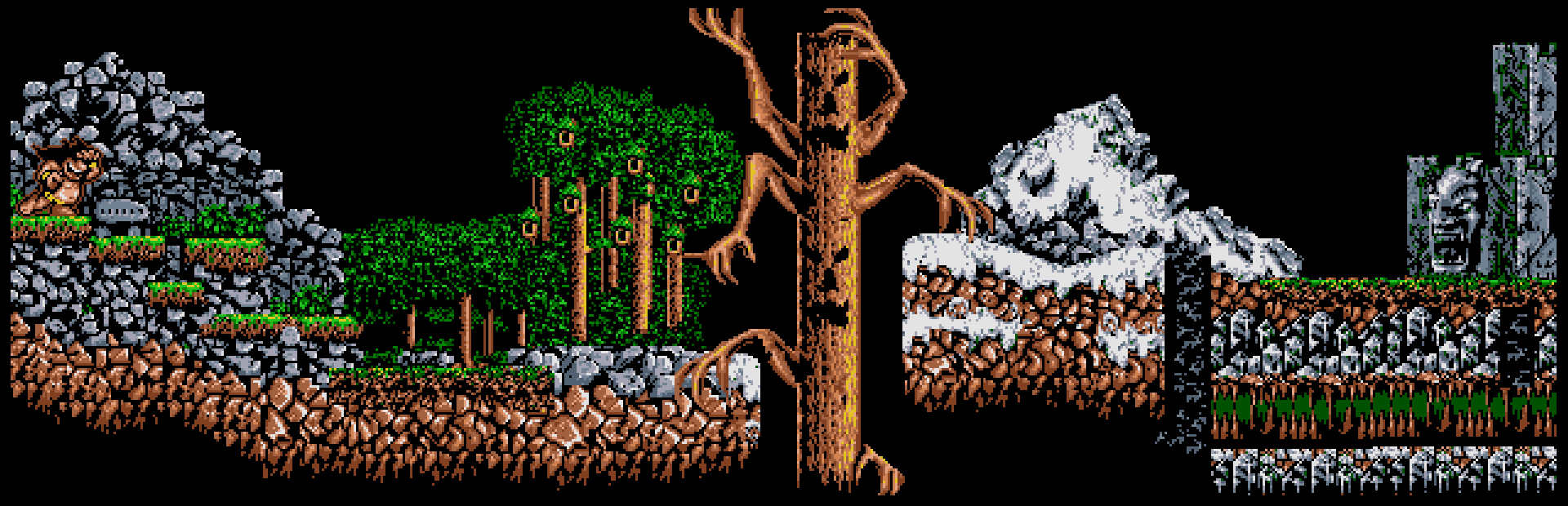
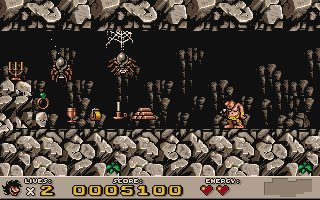
Level architecture in this 1993 release goes far beyond simple left-to-right corridors. Maps stretch both vertically and horizontally, encouraging you to bounce on enemy heads to reach high ledges or drop into obscure chasms. The game overflows with strange collectibles, ranging from ancient drumsticks to modern video game cartridges and refrigerators, all awarding massive score bonuses.
Exploration is essential if you plan to make meaningful progress through the campaign. Instead of granting a password automatically at the end of a stage, the game forces you to find secret letters and numbers hidden inside the levels themselves. Missing a password letter in a labyrinthine map means you have to tackle the next session without a safety net, an infuriating habit that punished careless players. If you lose all your lives, you are booted back to the title screen without the password you failed to spot.
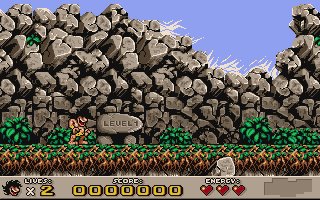
Technical wizardry pushed DOS hardware and 8-bit computers past their limits
When published by Titus Software Corporation, the title stood out on MS-DOS machines thanks to butter-smooth multi-directional scrolling and fluid character animations. While PC owners enjoyed crisp VGA graphics, the developers also pulled off a remarkable technical feat on 8-bit hardware. The Amstrad version is one of the few games to use the CPC Plus features for lots of colours and sprites and full parallax scrolling.
The technical achievements were evident across both target platforms:
- Smooth full-screen scrolling across both axes on standard PC hardware.
- Custom hardware palette usage on Amstrad CPC Plus systems, displaying up to fifty colors simultaneously.
- Paddable enemy sprites that feature distinct hit reactions and comedic knockout animations.
- Secret exit points that lead to entire hidden levels, including development team holiday photos buried in the game code.
Whether playing the Prehistorik 2 MS-DOS game or its 8-bit counterpart, the visual presentation held its own against 16-bit console rivals. The hero pouts when idle, pants for breath after long sprints, and bulging eyes track incoming hazards with expressive cartoon flair.
Frustrating design habits prevent a great game from reaching perfection
Writing a fair Prehistorik 2 review means acknowledging the structural flaws that ruin an otherwise delightful run. The difficulty curve spikes aggressively once you move past the early jungle zones into icy caverns and stone fortresses. Blind drops regularly plunge you onto hidden floor spikes, while flying hazards spawn from the edge of the display with virtually no warning.
The audio design presents a mixed bag that grates over long play sessions. While the title music features punchy digital instrumentation, the in-game sound effects rely on repetitive audio clips. Every piece of fruit consumed triggers an obnoxious slurping noise, and every jump produces a loud grunt that grows tiring after ten minutes. On older 8-bit hardware, heavy screen action also triggers severe frame rate slowdown, muddying the precise jump timing needed for tricky platforming sequences.
Preserving digital history when binaries outlive their original hardware
Prehistorik 2 remains an entertaining artifact of European platformer design, blending arcade scoring with secret-heavy map layouts. What holds up today is its energetic movement speed, brilliant sprite work, and the sheer joy of discovering secret stashes behind every tree. What fails to survive modern scrutiny is the punitive password placement and occasional cheap hazard placement. Anyone who enjoys classic 2D action games will find plenty to appreciate in a quick playthrough, provided they are prepared for some retro friction.
Preserving software like this involves more than just preserving an executable file. This title has no browser build yet, making proper archival cataloguing essential for keeping its history accessible. Preserving complete metadata, original hardware specs, scan art, and authentic playthrough logs ensures that the clever engineering of 1990s developers continues to be understood and remembered.
7 screenshots
From the archive
No gameplay video yet
No gameplay video for Prehistorik 2 yet. Sign in to add one.
No reviews yet
Tell the community what you think of Prehistorik 2. Reviews are public and tied to your username.
No archived manuals for Prehistorik 2 yet
No manuals archived for this title yet. Sign in to upload the first scan.
Cheat codes, console commands and memory pokes for Prehistorik 2 — each one verified and attributed.
Sign in to submitNo cheats yet for this title
Know a working cheat, poke or trainer? Add it with the button above. Moderators check every entry before it goes live.
No archived soundtrack for Prehistorik 2 yet
No soundtrack archived for this title yet. Sign in to upload the first rip.
No save states for Prehistorik 2 yet
No save states for this title yet. Sign in to share one.
Discussions
Sign in to post- Threads0
- Total posts0
- Online now6
Community · Prehistorik 2
Who's contributing, and what's new
- Reviews0
- Threads0
- Uploadsapproved0
- Contributors0
Recent activity
Nothing here yet
Reviews, discussion threads and approved uploads appear here as members add them.